
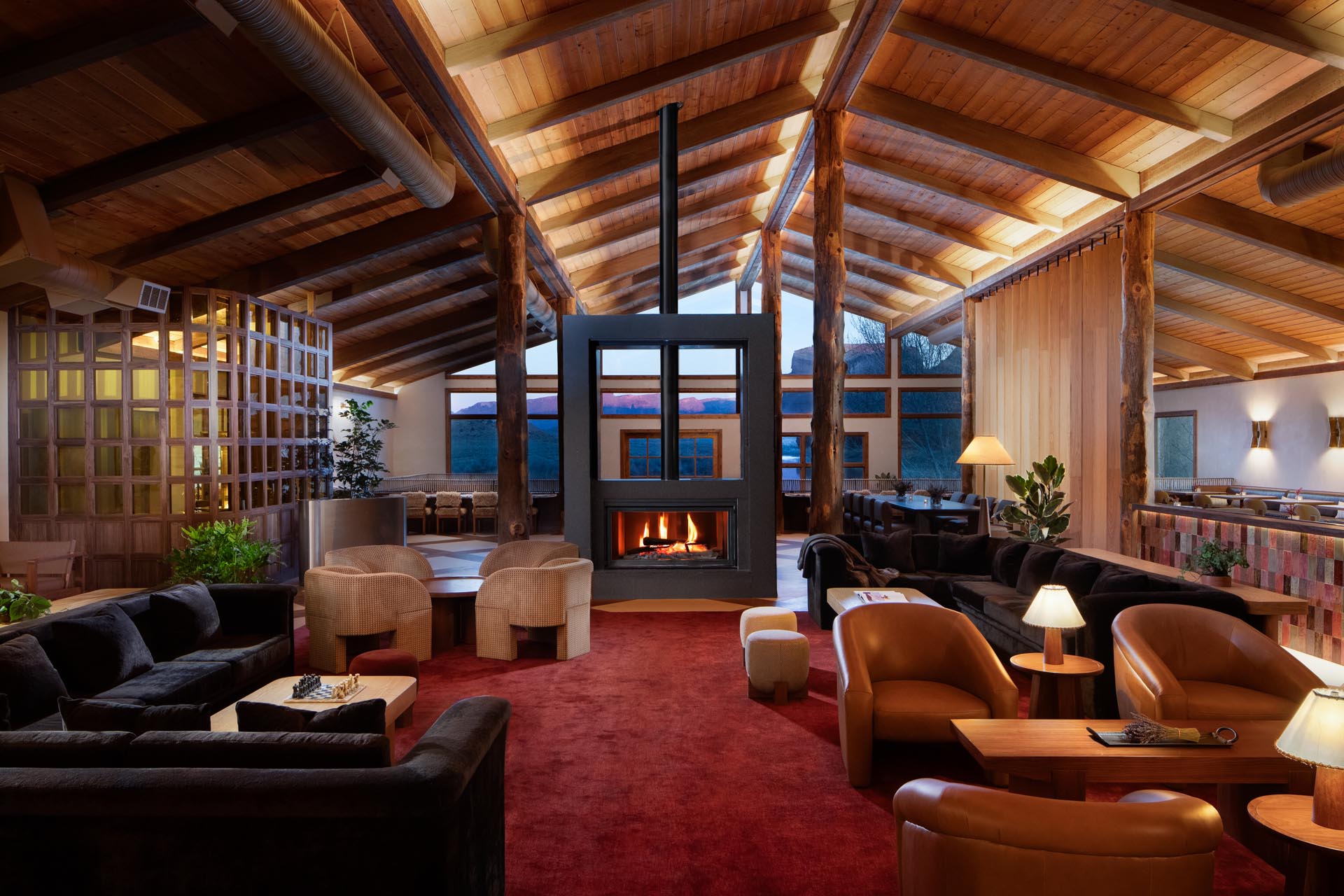
Red Cliffs Lodge receives a head-to-toe renovation to preserve its western heritage and embrace contemporary hospitality
Photos courtesy of Red Cliffs Lodge Moab
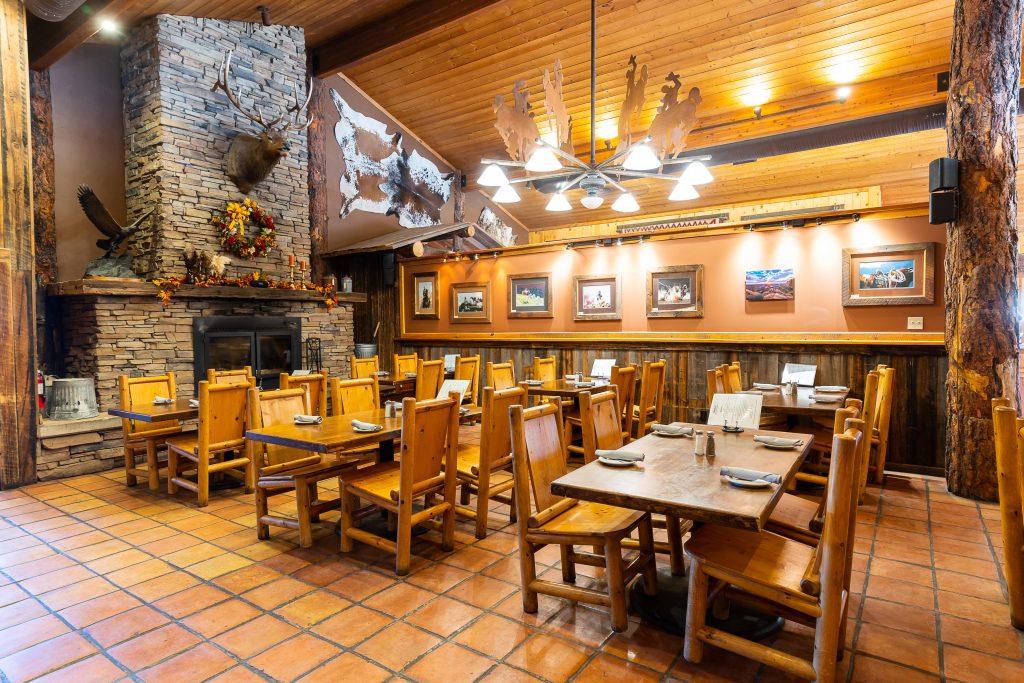
Tucked in a remote glen alongside the Colorado River, Red Cliffs Lodge Moab is a collection of 110 standalone cabins and creekside suites. The property, which began as a working ranch settled in the 1800s, has endured multiple interpretations over its 200-year history. The desert setting also played a key role in Utah’s film history, drawing dozens of Hollywood figures like the acclaimed John Ford, who filmed Rio Grande and Fort Apache amidst Moab’s iconic red rock landscapes. Entering a new era of hospitality, Red Cliffs Lodge recently joined the Marriott’s Tribute Portfolio and underwent a multimillion dollar transformation that both honors the property’s Western roots and welcomes the comforts of a modern age.
Creating a refined, National Parkinspired retreat was at the heart of the renovation, headed by designers Sormeh Rienne and Stina Funch of Atwater Inc. Studio in Los Angeles. Drawing inspiration from the surrounding landscape, the duo refreshed guest rooms and social spaces with organic textiles and earthy hues, and sourced natural materials to echo the Utah desert. The approach required both restraint and innovation, resulting in spaces that elevate their dramatic surroundings rather than competing with them.

Gather
The original lodge resembled a dated cabin, marked by a drab palette and a domineering stone fireplace. Low walls bisected the space into a disjointed breakfast hall and check-in area, while the spectacular creekside vistas remained hidden from view. To open the space for communal leisure, Rienne reimagined the floor plan to flow organically between the lobby and dining spaces. Rustic tongue-in-groove ceiling planks and log columns celebrate the original architecture, while the formerly stodgy fireplace was transformed into a view framing central feature. Vertical oak slats anchored to the ceiling subtly demarcate the cocktail lounge from Ember’s dining room without constricting the space, while overhead, recessed lighting draws the eye upward toward the pitched ceiling.
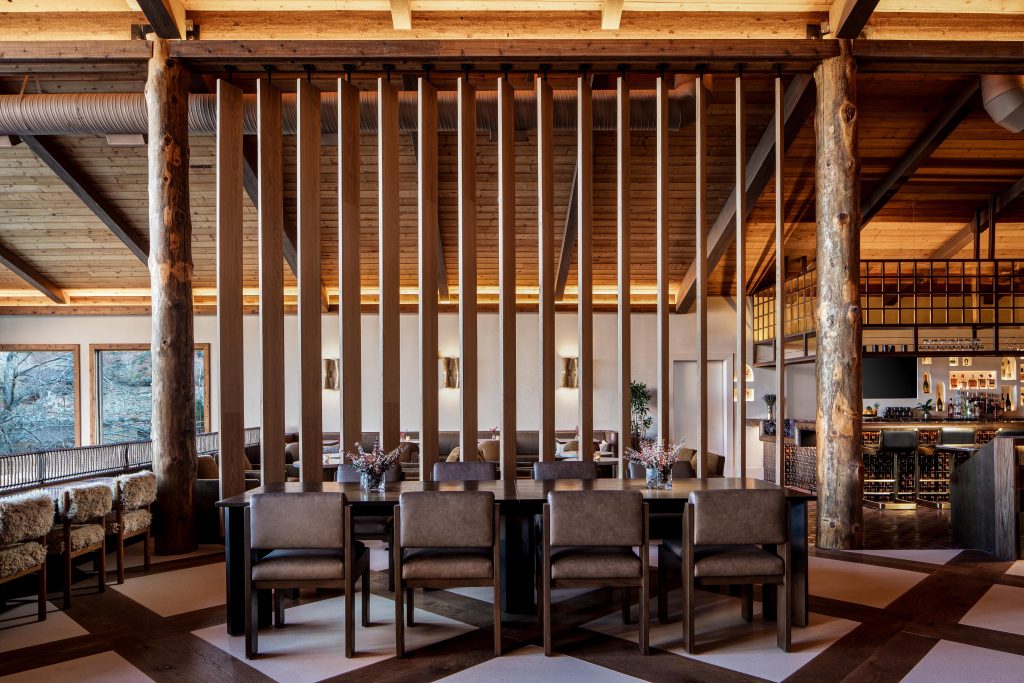
“I wanted the transitions to feel natural and intentional, rather than like a series of barriers, and I believe the end result really achieved that,” Rienne reflects. Throughout the lobby and restaurant areas, Rienne used rustic materials to make connections to the region “while still bringing a sense of character, warmth, and depth to the lodge.” Handmade glazed tile accents, Roman clay, and statement-making stone details contrast with the soft, desert-hued palette. “Warm earth tones reference desert varnish and stone, muted greens echo native cottonwoods, and sun-baked oranges recall seasonal blooms,” Rienne says. “I wanted the materials to feel like an interpretation of the place rather than something imposed upon it.”

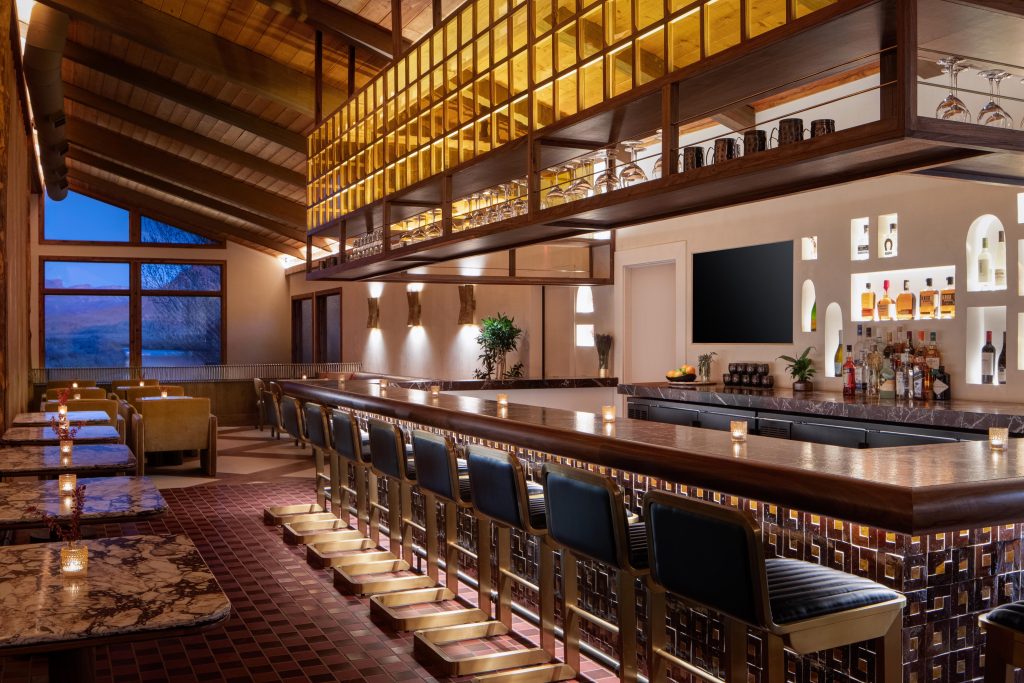
In addition to the lobby and guest spaces, Red Cliffs’ former restaurant was completely remodeled and reintroduced as Ember. The sleek new signature dining experience and cocktail lounge offers a live-fire approach to modern American cuisine, as well as some of the best desert views in Moab. Floor-to-ceiling windows invite diners to admire towering mesas between bites, and bathe the dining hall in golden light during sunset hours. Wide wicker seating lines the plein air patio, while inside, leather and fur textures encourage guests to linger long after dessert.
Ground
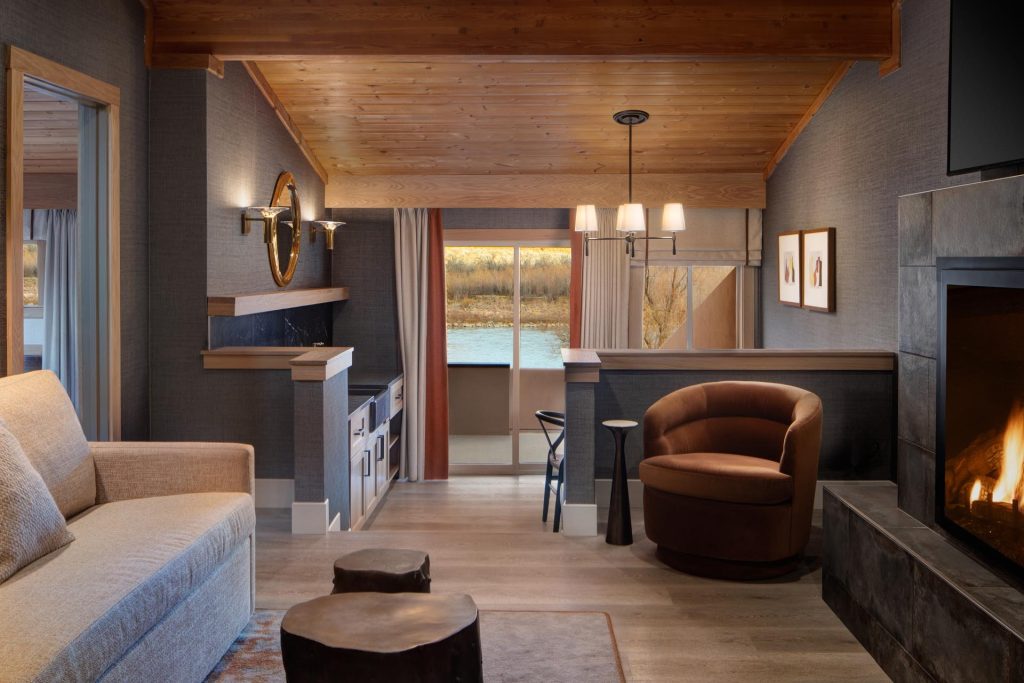
Atwater Inc. Studio’s Stina Funch led the design approach in the guest suites and cabins, each intentionally placed alongside the curved banks of the Colorado River. In reverence to the hotel’s natural surroundings, Funch balanced comfort with restraint to curate retreats where guests can recharge from the day’s adventures. “The location is extraordinary, and we never wanted the interiors to compete with it,” Funch says. “We borrowed from the landscape — the colors, textures, river rock, desert varnish, and weathered tones. Then we brought those elements inside in a quieter, more contemporary way.”
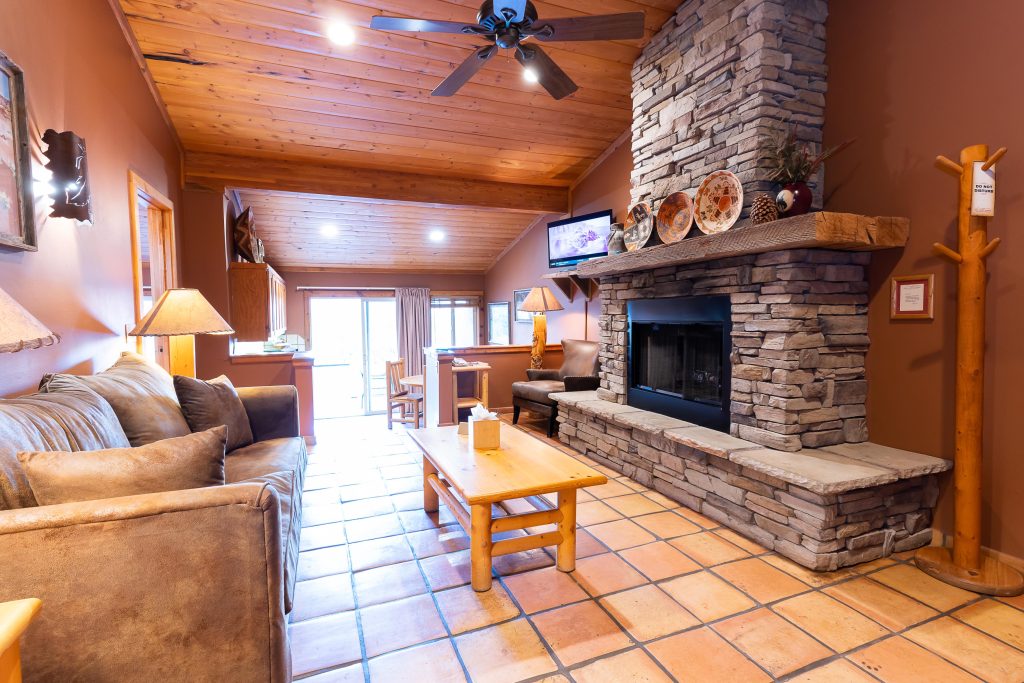
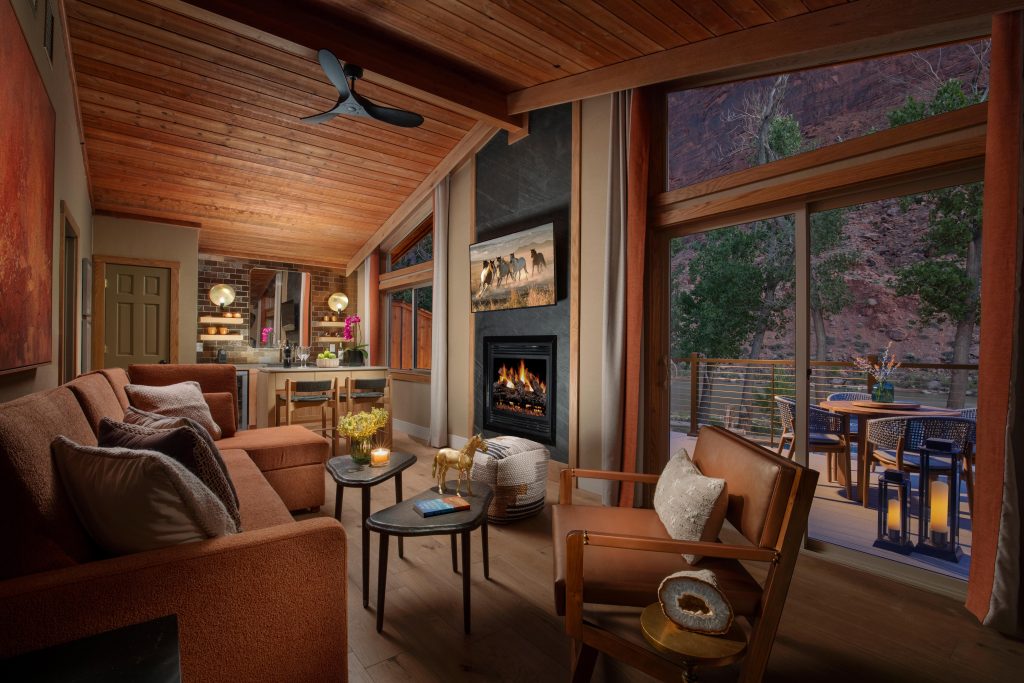
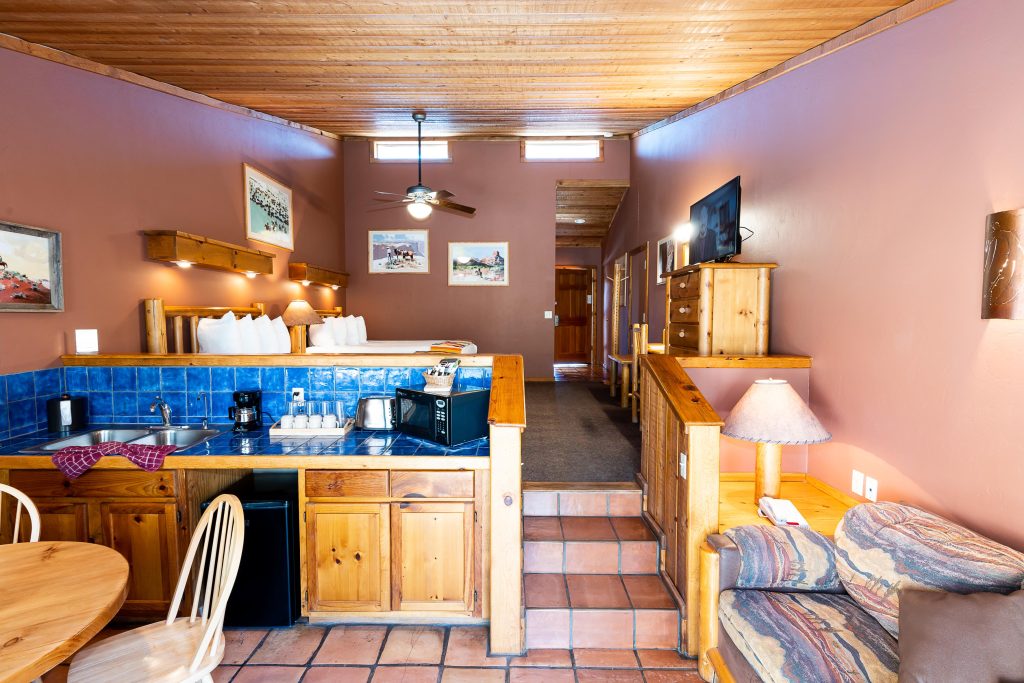
The material and color palette inside the two-level suites and cabins were both derived from the desert scenery beyond. Crackling fireplaces were clad in a stone veneer to emulate the natural varnish on the canyon walls, and river rock appears in the bathrooms to remind guests of the rushing water feature right outside their doors. Desert colors inherent to Moab — rust, sage, warm wood, and muted greens — are complemented by soft tactile area rugs, bed linens, and woven materials. The end result is a retreat that’s in harmony with its location. “It almost lowers your heartbeat a little,” Funch remarks. “The rooms are meant to be a place where you come back after hiking or exploring all day, take your shoes off, sit down, and just exhale.”
Set in Stone
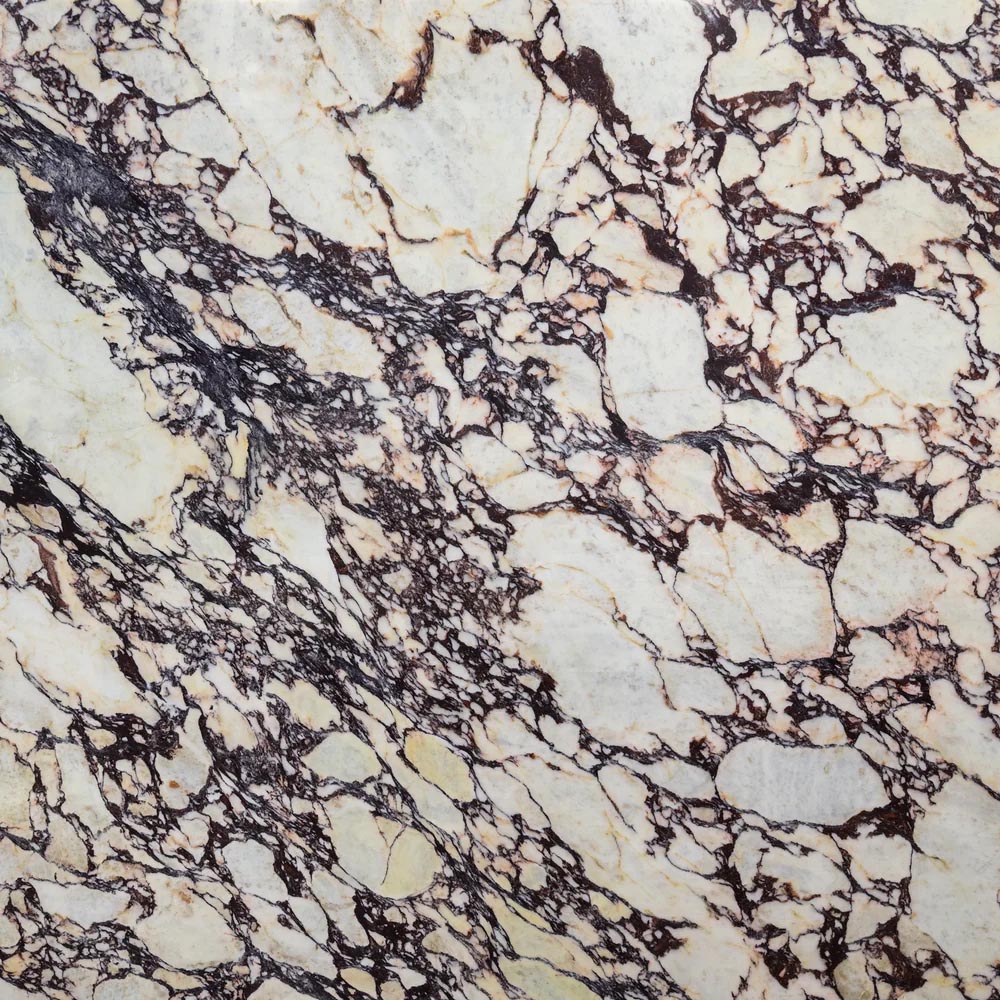
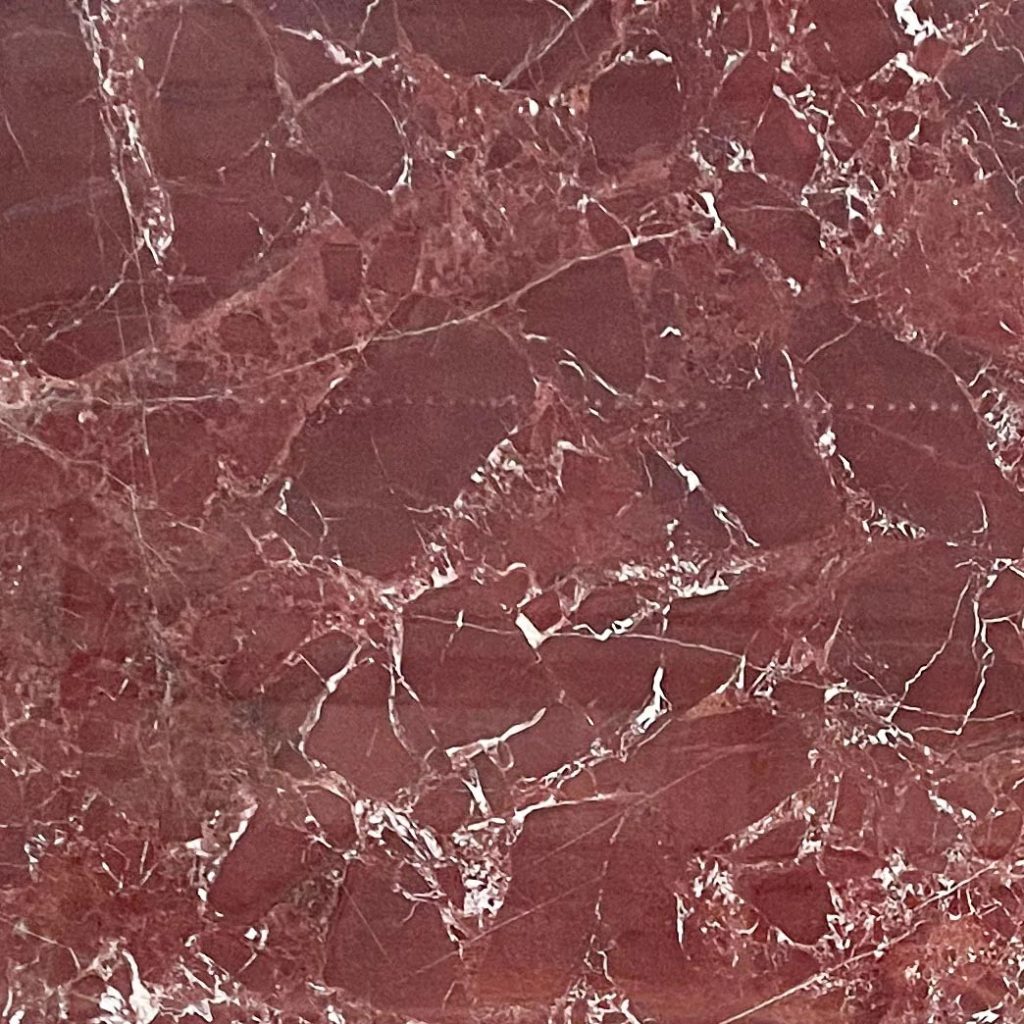
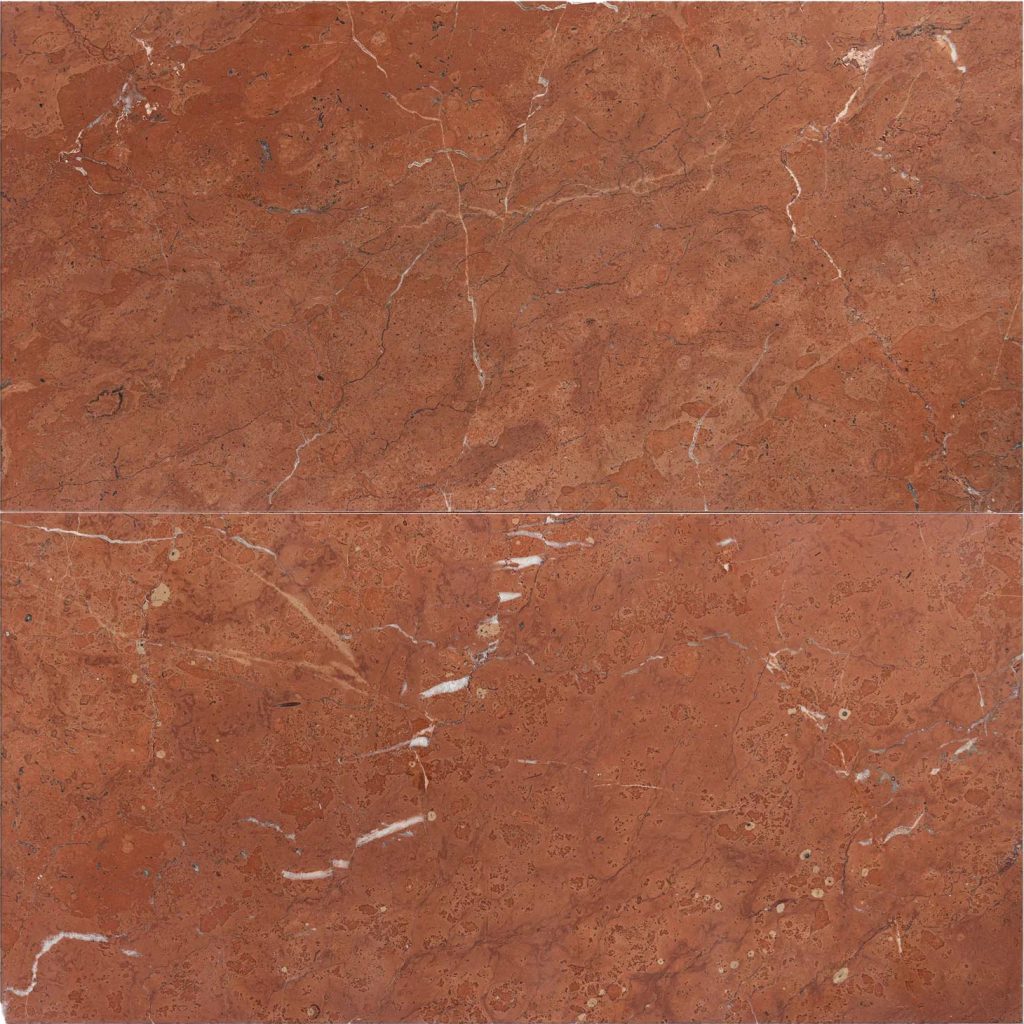
In Ember’s bar and dining areas, principal designer Sormeh Rienne sourced stones specifically with the landscape in mind. “Together, the stones bring depth, warmth, and a subtle connection to the surrounding landscape,” she says.
Read more of our travel coverage and get the latest on the decorating and design encompassing Utah. And while you’re here, subscribe and get four issues of Utah Style and Design, your curated guide to the best decor in Utah.


